
Here’s the uncomfortable truth about repiping your home: the “better” pipe isn’t the same for every house on your street. Your neighbor swears by copper. Your brother-in-law won’t shut up about PEX. Both of them are half right, and that’s exactly why you’re stuck.
The pipe that wins comes down to your budget, your water, and how long you plan to stay put. This guide cuts the noise and hands you a real answer.
Here’s what we’ll cover:
- Cost breakdown: what each material actually runs, upfront and long-term
- Lifespan face-off: how many decades you really get
- Pros and cons: the honest trade-offs nobody mentions
- How your local water changes everything
- The verdict: which pipe fits your situation, not the average one
We handle repiping and nothing else at OC Repipes, so we’ve watched both materials play out across thousands of Orange County homes. No sales pitch, just what the walls have taught us.
TL;DR: PEX vs. Copper at a Glance
Short on time? Here’s the whole debate in one screen.
| Factor | PEX Piping | Copper Pipes | Winner |
|---|---|---|---|
| Upfront cost (2,000 sq ft) | $4,000 to $10,000 | $8,000 to $18,000 | PEX |
| Cost per linear foot | $2 to $5 | $4 to $10 | PEX |
| Lifespan | 25 to 50 years | 50 to 70+ years | Copper |
| Install speed | 1 to 3 days | 2 to 3x slower | PEX |
| Corrosion resistance | Highly resistant | Vulnerable to acidic water | PEX |
| Freeze resistance | Expands, resists bursting | Can crack and burst | PEX |
| Hard water performance | Shrugs off scale | Prone to mineral buildup | PEX |
| High heat tolerance | Good, not for extreme heat | Excellent | Copper |
| UV / outdoor use | Degrades in direct sunlight | Handles sunlight fine | Copper |
| Antimicrobial | No | Naturally antimicrobial | Copper |
| Recyclable | Specialized processes only | 100% recyclable | Copper |
| Flexibility | Bends, fewer fittings | Rigid, more joints | PEX |
What Each Material Actually Costs
Let’s talk money, because that’s the number that keeps you up at night. The short version: PEX is the budget-friendly pick, and copper is the premium one. But the gap between them is wider than most homeowners expect, and the real cost story doesn’t end on install day.
Upfront Cost: The Sticker Price
Nationally, a whole-house repipe runs anywhere from $4,000 to $18,000+, depending on your material, home size, and where you live. The pipe you choose is the single biggest lever on that number.
Here’s how the two stack up on a typical 2,000 sq ft, two-bathroom home:
| Factor | PEX | Copper |
|---|---|---|
| Installed cost | $4,000 to $10,000 | $8,000 to $18,000 |
| Cost per linear foot | $2 to $5 | $4 to $10 |
| Material cost alone | $500 to $1,500 | $2,000 to $4,000 |
| Install speed | 2 to 3x faster | Slower (soldered joints) |
Two things drive that spread. First, copper material costs several times more per foot, and prices have climbed with global demand. Second, and this is the one people miss, copper eats labor. Every joint gets soldered by hand, which means more hours on the clock.
Pro tip: Labor is roughly 70% of any repipe bill. So the faster install of PEX isn’t just convenient, it’s a big chunk of why it costs less.
The California Factor
If you’re in Orange County, brace yourself a little. West Coast labor rates sit at the top of the national range, and comparable homes here can cost noticeably more than the same job in Texas or the Midwest. That’s not a markup, it’s the cost of doing business in California.
A few local variables that move your number:
- Slab vs. crawlspace routing: slab foundations can push labor 25 to 50% higher
- Fixture count: more sinks, showers, and toilets mean more pipe and more hours
- Access complexity: two-story homes and tight wall cavities add time
- Wall repair: drywall patch and paint can add $1,500 to $3,000
That last one is a classic gotcha. A lot of quotes stop at the pipe and quietly leave the drywall to you. Not the case with a proper all-inclusive repipe from OC Repipes, where patching, repainting, and cleanup are baked into one flat rate. No surprise invoice after the crew leaves.
Long-Term Cost: The Part Nobody Calculates
Sticker price is only half the equation. What you pay over the life of the pipe tells the smarter story.
- PEX resists scale and corrosion, so it rarely needs mid-life repairs. It won’t develop the pinhole leaks that plague aging copper.
- Copper lasts longer in ideal conditions, but in aggressive water it can corrode early, and a single slab leak repair can run into the thousands.
- Warranty coverage matters more than most buyers realize. Uponor PEX-A, the material we install, carries a transferable lifetime warranty, and every job here is backed by our own Lifetime Warranty on workmanship.
The takeaway: cheaper upfront doesn’t always mean cheaper forever, but in most Orange County homes, PEX wins on both counts. Copper earns its keep only in specific cases, which we’ll talk about later.
Lifespan Face-Off: Decades in the Wall
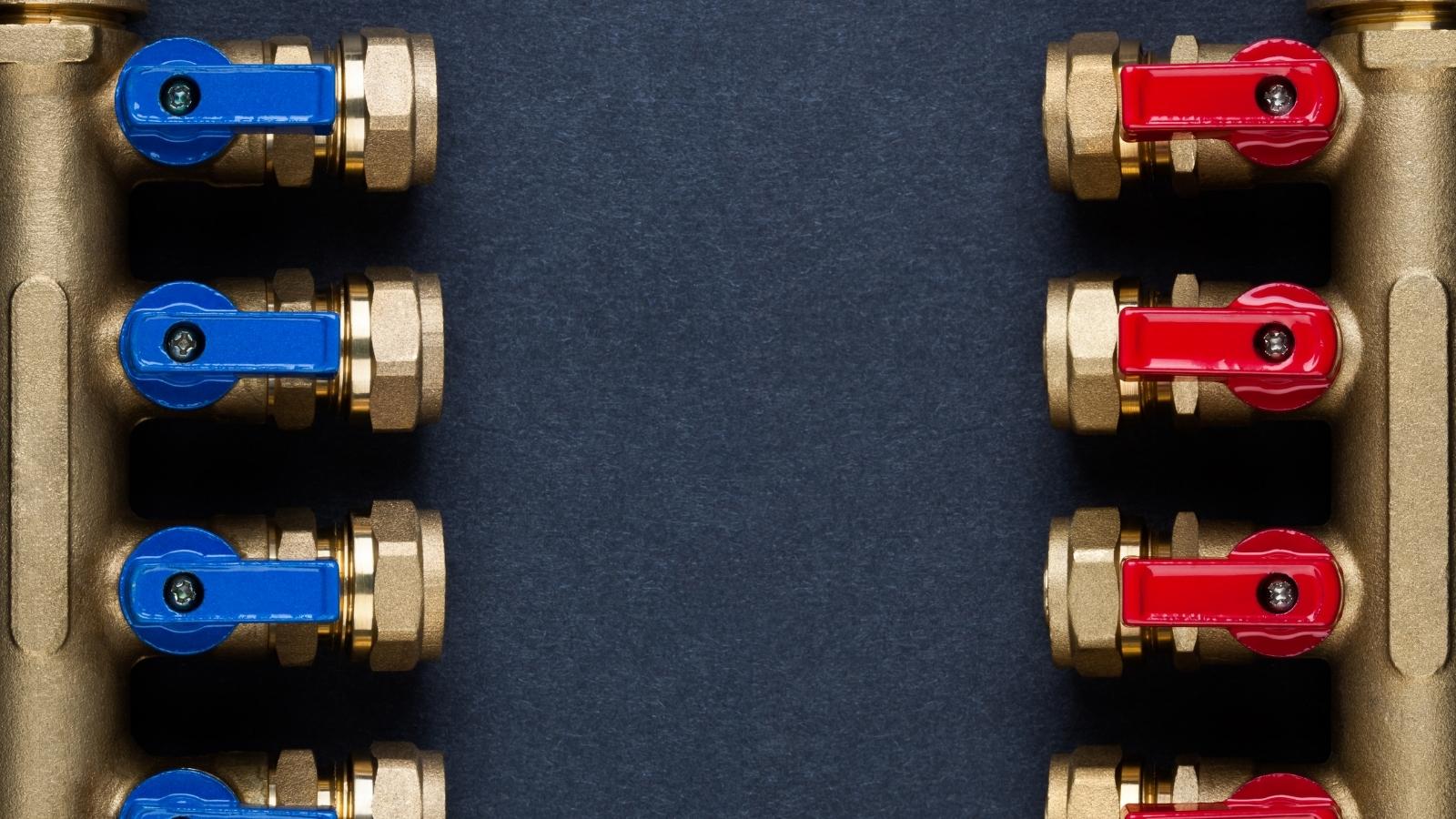
Copper pipes edge out PEX on raw longevity, but the gap matters less than the brochures suggest.
Copper plumbing can last 50 to 70 years, and in ideal conditions some copper repipe jobs push past that. PEX piping typically runs 25 to 50 years, with most manufacturers rating it around 40 to 50 under normal residential plumbing conditions.
| Lifespan Factor | PEX Piping | Copper Pipes |
|---|---|---|
| Typical lifespan | 25 to 50 years | 50 to 70+ years |
| Corrosion resistance | Highly resistant | Vulnerable to acidic water |
| Freeze resistance | Excellent (expands) | Poor (can crack) |
| UV exposure | Degrades in direct sunlight | Handles outdoor use |
| Track record | ~20 years mainstream in US | 70+ year proven track record |
But raw numbers hide the real story. Copper’s long-term durability assumes clean, balanced water. Feed it aggressive water chemistry, and rigid copper pipes can start shedding material and developing frequent pinhole leaks decades early.
PEX doesn’t corrode. It shrugs off scale buildup and mineral buildup, so its structural integrity holds steady even where copper struggles. In many real-world homes, that means PEX plumbing quietly outlasts its own rating.
Pro tip: A pipe’s lifespan depends as much on your water as your material. We’ll unpack that in the local water section, because it flips the copper-always-wins assumption on its head.
One more angle worth your attention: home resale value. Modern buyers see updated plumbing as a green flag, and a copper repipe with its extended lifespan can nudge perceived value on higher-end homes. That said, a clean PEX repipe signals the same thing to most buyers: no failing pipes to inherit.
Pros and Cons: The Honest Trade-Offs
Every piping material carries baggage. Here’s what actually matters once the sales gloss wears off.
PEX Pros
- Lower cost: cheaper material and labor costs, often 30 to 50% less than copper
- Fast install: a PEX repipe often wraps in 1 to 3 days
- Flexibility: PEX bends around corners and requires fewer fittings, which speeds up installing PEX in tight spaces and crawl spaces
- Resists corrosion: no rust, no scale, strong against aggressive water
- Freeze resistance: expands instead of splitting in freezing temperatures
- Better hot water efficiency: less heat loss than copper on the way to your fixtures
PEX Cons
- Sensitive to UV: PEX degrades in direct sunlight, so it’s a poor pick for outdoor use without protection
- No high heat: can’t match copper for high heat applications like some recirculation setups
- Recycling limits: only recyclable through specialized processes, not the curb
- Shorter track record: fewer decades of field data than copper
Copper Pros
- Longevity: a proven track record and long-term performance measured in decades
- High heat tolerance: handles high temperatures copper competitors can’t
- Natural antimicrobial properties: copper naturally limits bacterial growth in your drinking water
- Recyclable: 100% recyclable, a real win on environmental impact
- Outdoor-safe: no UV worries, ideal where pipe meets sunlight
Copper Cons
- High cost: pricier material plus soldered joints drive labor costs up
- More fittings, more joints: rigid copper pipes need more fittings than a comparable PEX layout
- Corrosion risk: acidic or aggressive water chemistry brings chemical leaching and pinhole leaks
- Freeze vulnerability: rigid copper can burst when water freezes
A quick myth-buster on safety, since it comes up: both PEX and copper are code-approved and certified safe for potable water. One isn’t “toxic” and the other “pure.” They’re both fine to drink from.
If you’ve landed on flexibility as your priority, our PEX repiping service leans on Uponor PEX-A, the top tier of plastic pipe. Prefer the metal with the century-long résumé? Our copper repiping work uses rigid Type L copper, the residential standard.
How Your Local Water Changes Everything
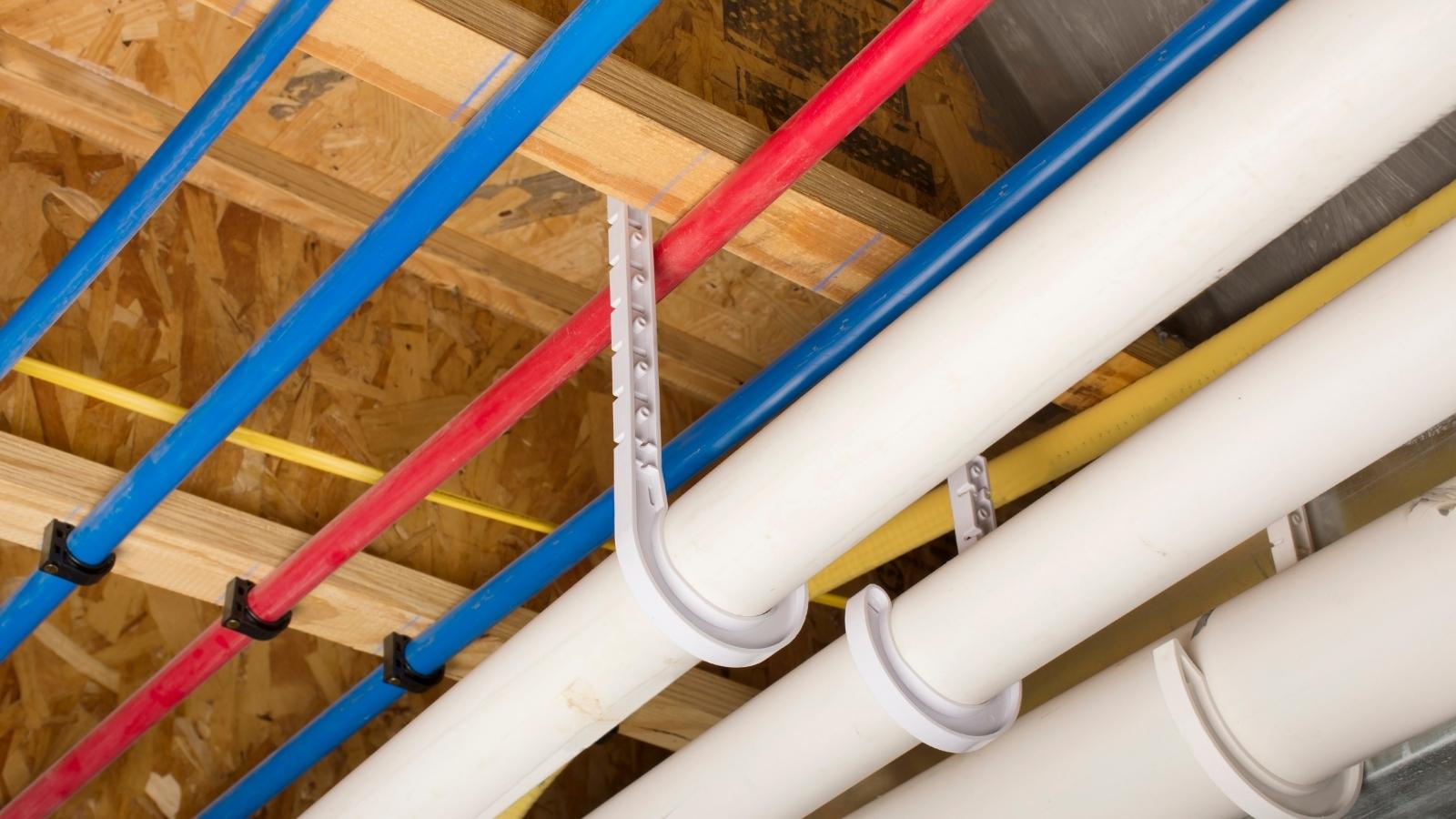
This is the section most guides skip, and it’s the one that actually decides your answer. The right material isn’t universal. It’s local.
Copper’s biggest weakness is water chemistry. In areas with acidic or aggressive water, copper corrodes from the inside out, which is what triggers those frequent leaks and pinhole failures homeowners dread. Hard water piles on with sediment buildup and mineral buildup that chokes water flow over time.
PEX doesn’t care. It resists corrosion and scale, so hard or aggressive water barely touches its lifespan. That single fact reshuffles the deck for a lot of Orange County homes.
Why this matters for OC: Southern California water tends toward hard and mineral-heavy. Over extended periods, that’s exactly the condition that wears copper faster than its rating promises, while PEX keeps flowing clean.
A few water realities worth weighing before you pick the right piping material:
- Hard water accelerates scale in any system, but hits copper’s water flow harder
- Acidic water is copper’s enemy and PEX’s non-issue
- Chlorinated water can nibble at both, though quality PEX-A resists it well
- Well water with low pH is a classic copper-corroder
Not sure what’s running through your walls? A quick water quality test settles the debate with data instead of guesswork, and it’s the smartest first move before committing to either material. If your water’s the problem, pairing a repipe with whole-house filtration protects whichever pipe you choose.
The Verdict: Which Pipe Fits You
Enough hedging. Here’s the straight call, sorted by who you are, not by some national average.
Go with PEX if you:
- Want the lower upfront and long-term cost
- Live with hard or aggressive water (hello, Orange County)
- Value a fast, less invasive install
- Care about freeze resistance and corrosion resistance
- Are a budget-conscious homeowner who wants proven modern residential plumbing
Go with copper if you:
- Need pipe rated for high heat or exposed to direct sunlight
- Want the longest possible lifespan in balanced water
- Prioritize natural antimicrobial properties and recyclability
- Own a higher-end home where copper’s proven track record adds resale polish
For most homeowners across our service area, PEX is the smarter buy. It’s the durable material that matches Southern California’s water, installs in days, and keeps your home’s plumbing system leak-free without the copper premium. Copper still earns its place, just in narrower cases.
The right material depends on your water, your budget, and your home’s plumbing, not on what worked for your neighbor. A professional plumber who repipes for a living can spot which factors tip your decision in an afternoon.
That’s the whole job at OC Repipes. We assess your water, your layout, and your goals, then lay out whether PEX, copper, or a hybrid makes the most sense for your home. No pressure, no upsell, just the call we’d make on our own house.
Repipe Right the First Time with OC Repipes
So which pipe wins? PEX takes it for most homeowners on cost, corrosion resistance, and hard-water durability, while copper holds its ground on longevity, heat tolerance, and outdoor runs. Your water, budget, and home decide the call, not the crowd.
Quick recap before you choose:
- Cost: PEX runs 30 to 50% cheaper, upfront and long-term
- Lifespan: copper lasts 50 to 70 years, PEX around 25 to 50
- Water: hard or acidic water favors PEX every time
- Install: PEX wraps in 1 to 3 days with fewer fittings
- Verdict: PEX for most Orange County homes, copper for niche cases
Since repiping is the only thing we do, OC Repipes knows exactly which material fits your water and your walls. We assess, recommend, and install with a Lifetime Warranty backing every job. No guesswork, no upsell, just the right pipe done right.
Frequently Asked Questions
Why don’t people use copper pipes anymore?
Copper’s high material and labor costs pushed property owners toward PEX. As a flexible plumbing material, cross-linked polyethylene installs faster, resists corrosion, and often improves water quality where copper struggles.
What will last longer, copper or PEX?
Copper wins on raw lifespan at 50 to 70 years versus PEX at 25 to 50. But water quality is the key factor. Aggressive water shortens copper’s life fast.
Can PEX last 100 years?
No. Cross-linked polyethylene is rated for 25 to 50 years, not a century. The flexibility copper lacks helps, but heat from a water heater and UV shorten its life.
Is it worth replacing copper with PEX?
Often yes. PEX repiping averages $3,500 to $7,500, with material at $0.40 to $4 per foot versus copper’s $2 to $12. The key differences favor PEX on average costs.
